
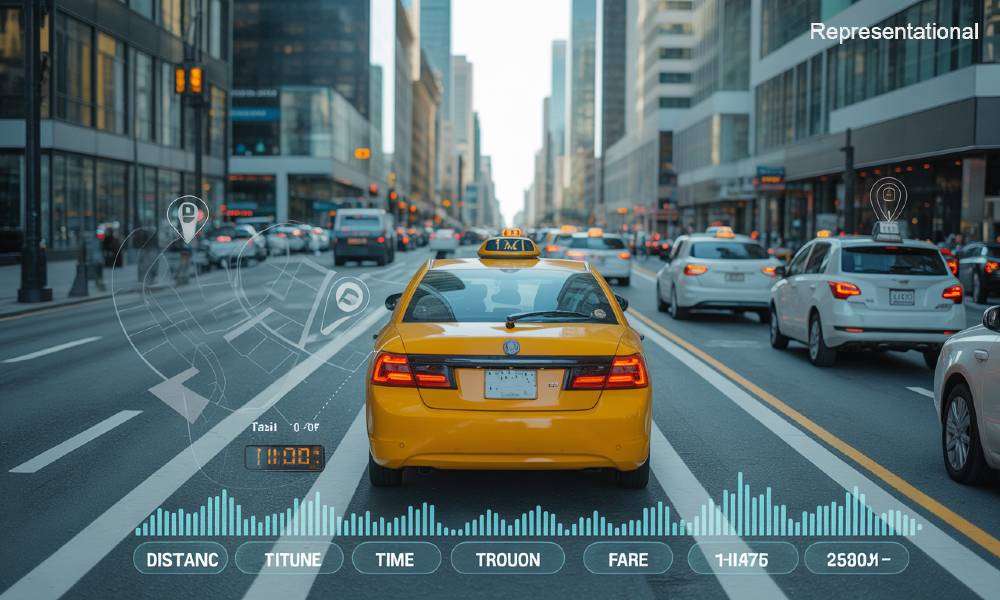
When you book a taxi, you often see the final fare but may not fully understand how that amount is calculated. Why does a short trip during peak traffic sometimes cost more than a longer trip on an empty road? Why are there waiting charges even when the car isn’t moving?
Taxi fares are not random. They are based on clear components such as distance traveled, time spent, and waiting charges, along with base fares and sometimes additional fees. Understanding these factors helps you estimate costs better, avoid surprises, and choose the most cost-effective travel options.
In this blog, we’ll explain in detail how taxi fares are calculated and what factors influence the final price.
1. Base Fare: The Starting Cost of Your Ride
Every taxi ride begins with a base fare, also called the minimum charge or flag-down rate. This is the amount charged the moment you start your trip.
What Does the Base Fare Cover?
The base fare usually includes:
- Initial pickup cost
- First few kilometers or minutes of travel
- Vehicle availability and operational expenses
For example, a taxi may charge ₹50 as a base fare which covers the first 1–2 km. After that, distance and time charges apply.
Why Base Fare Matters?
Even if your destination is very close, the base fare ensures that drivers are compensated for:
- Fuel
- Maintenance
- Time spent reaching the pickup point
This is why extremely short trips can still cost a minimum fixed amount.
2. Distance-Based Charges: Cost Per Kilometer
After the base fare limit is crossed, taxis start charging based on the distance traveled, usually calculated per kilometer.
How Distance Is Measured?
Modern taxis use:
- GPS tracking
- Digital meters
- App-based route calculations
This ensures fairly accurate measurement of the actual distance between pickup and drop-off locations.
Typical Distance Charges
Distance charges can vary based on:
- City regulations
- Type of vehicle (hatchback, sedan, SUV)
- Local fuel prices
For example:
- Hatchback: ₹10 to ₹14 per km
- Sedan: ₹14 to ₹18 per km
- SUV: ₹18 to ₹25 per km
Longer routes, highway travel, and intercity trips rely heavily on distance-based pricing.
3. Time-Based Charges: Paying for Travel Duration
Time-based charges apply when:
- Traffic is heavy
- The vehicle is moving slowly
- The trip duration is unusually long
In such cases, distance alone does not fairly reflect the driver’s effort and fuel usage.
How Time Charges Work?
Taxi meters or apps calculate:
- Minutes spent during the trip
- Rate per minute when speed is below a certain threshold
For instance:
- ₹1 to ₹2 per minute during slow traffic
So even if you travel only 5 km but it takes 45 minutes due to congestion, time charges may significantly increase the fare.
Why Time Charges Are Necessary?
- Without time-based pricing:
- Drivers would lose money in traffic jams
- Short-distance rides in heavy traffic would be unfairly cheap
Time charges balance earnings and ensure service availability even during peak hours.
4. Waiting Charges: When the Taxi Is on Hold
Waiting charges apply when the taxi is stationary but still reserved for you.
When Waiting Charges Apply
Waiting charges are added when:
- You ask the driver to wait while you run errands
- There are delays at pickup points
- You make multiple short stops
For example:
- First 5 minutes may be free
- After that, ₹2 to ₹5 per minute
- Why Waiting Charges Are Important
While waiting:
- The driver cannot accept new bookings
- Fuel may still be consumed if the engine is running
- Time is being used without covering distance
Waiting charges compensate drivers for this lost opportunity.
5. Peak Hour and Demand-Based Pricing
In many cities, taxi fares increase during periods of high demand. This is often called:
- Peak pricing
- Surge pricing
- Dynamic pricing
When Surge Pricing Happens
Higher fares may apply during:
- Office rush hours
- Late nights
- Festivals and holidays
- Bad weather conditions
How Surge Pricing Is Calculated
Instead of changing per-km rates, platforms may apply:
- Fare multipliers (e.g., 1.5x or 2x)
- Higher base fares
For example:
If your normal fare is ₹200 and surge is 1.5x, the final fare becomes ₹300.
Why Surge Pricing Exists
Surge pricing helps:
- Encourage more drivers to come online
- Reduce long wait times
- Balance demand and supply
While it increases passenger costs, it improves availability during busy periods.
6. Additional Charges That Affect Taxi Fares
Apart from distance, time, and waiting, several other charges may be included.
Toll Charges
If your route includes:
- Highways
- Expressways
- Bridges
The toll amount is usually added to your total bill.
Night Charges
Many local taxis apply night surcharges:
- Typically between 11 PM and 5 AM
- Extra 10%–25% of the fare
This compensates drivers for working late hours.
Airport Pickup Fees
Some airports impose:
- Parking charges
- Entry fees
These are often added to your taxi fare.
Extra Luggage Charges
In certain taxi services:
- Large luggage may attract additional charges
- Mostly applicable for long-distance travel
7. How App-Based Taxi Fares Are Calculated
Cab booking apps like Ola and Uber use automated fare algorithms that combine multiple factors.
Key Factors in App Fare Calculation
App fares depend on:
- Base fare
- Distance traveled
- Time taken
- Current demand
- Traffic conditions
- Availability of drivers
The app estimates fare before booking but may adjust the final price if:
- The route changes
- Traffic delays occur
- Waiting time increases
Advantages of App-Based Fare Systems
Transparent fare breakdown
- GPS-based accuracy
- Digital receipts
- Easy fare comparison
However, dynamic pricing can make costs unpredictable during busy times.
8. How Intercity and Outstation Taxi Fares Are Calculated
Outstation taxi fares follow a slightly different structure.
Common Outstation Fare Components
- Per kilometer charge
- Minimum km per day (e.g., 250 km/day)
- Driver allowance
- Toll and parking charges
Example
If the fare is ₹12 per km with a minimum of 250 km:
Even if you travel only 180 km, you will still be charged for 250 km.
Driver allowance covers:
- Food
- Accommodation (if overnight stay is required)
This ensures fair compensation for long trips.
9. Tips to Reduce Your Taxi Fare
Understanding fare calculation helps you save money.
Smart Ways to Lower Costs
- Travel during non-peak hours
- Avoid unnecessary waiting time
- Choose the right vehicle type
- Share rides when possible
- Compare fares on multiple platforms
- Plan routes to avoid toll roads if not necessary
For local taxi services, asking for a fixed fare in advance can also help avoid surprises.
10. Why Taxi Fare Transparency Matters
Transparent pricing builds:
- Customer trust
- Fair competition
- Better service standards
When passengers understand how fares are calculated, they are less likely to feel overcharged and more likely to use taxi services regularly.
For drivers, structured fare systems ensure:
- Fair compensation
- Sustainable earnings
- Motivation to provide quality service
SS Travells
SS Travells - Taxi service in Bhiwadi offers reliable, affordable, and comfortable cab services for local and outstation travel. Whether you need a quick ride within the city or a long-distance trip to Delhi, Gurgaon, Jaipur, or nearby airports, SS Travells ensures safe and timely travel with professional drivers and well-maintained vehicles. We provide multiple cab options including Hatchback, Sedan, and SUV to suit every budget and group size. With easy booking, transparent pricing, and 24/7 customer support, SS Travells is your trusted travel partner in Bhiwadi for business trips, family travel, and airport transfers. Travel stress-free with service you can rely on.
Wrapping Up
Taxi fares are calculated using a combination of base fare, distance traveled, and time spent, and waiting charges, along with possible extras like tolls, night charges, and surge pricing. Each component plays a role in ensuring that both passengers and drivers are treated fairly.
Whether you are traveling a short distance within the city or planning a long outstation trip, knowing how taxi pricing works helps you make informed decisions, budget your travel expenses, and choose the best ride options.
Next time you step into a taxi or book a cab through an app, you’ll know exactly what goes into that final fare - and why every minute and kilometer counts.
Don't Miss: 7 Reasons SS Travells Is Bhiwadi’s Top Taxi Service